



A DC brushless motor, also known as a BLDC motor, is a type of electric motor that has gained significant popularity in recent years due to its high efficiency, reliability, and performance. As a leading DC brushless motor supplier, I am excited to share with you the ins and outs of this remarkable technology.

How DC Brushless Motors Work
To understand what a DC brushless motor is, it's essential to first grasp the basic principles of its operation. Unlike traditional DC motors that use brushes and a commutator to switch the current direction in the armature windings, DC brushless motors employ an electronic controller to perform this function.
The motor consists of two main parts: the stator and the rotor. The stator is the stationary part of the motor and contains the armature windings. These windings are typically arranged in a specific pattern to create a rotating magnetic field when an electric current is applied. The rotor, on the other hand, is the rotating part of the motor and contains permanent magnets.
The electronic controller monitors the position of the rotor using sensors, such as Hall effect sensors or encoders. Based on the rotor's position, the controller determines which stator windings need to be energized to create a magnetic field that will attract or repel the rotor magnets, causing the rotor to rotate. This process is repeated continuously, resulting in smooth and efficient rotation of the motor.
Advantages of DC Brushless Motors
DC brushless motors offer several advantages over traditional DC motors, making them a preferred choice in many applications. Here are some of the key benefits:
- High Efficiency: DC brushless motors are more efficient than traditional DC motors because they eliminate the energy losses associated with brushes and commutators. This results in lower power consumption and longer battery life in battery-powered applications.
- Reliability: Since DC brushless motors do not have brushes or commutators, there is no mechanical wear and tear, reducing the risk of failure and increasing the motor's lifespan. This makes them ideal for applications where reliability is critical, such as medical equipment and aerospace systems.
- High Torque Density: DC brushless motors can produce high torque at low speeds, making them suitable for applications that require high starting torque, such as robotics and electric vehicles.
- Precise Speed Control: The electronic controller in a DC brushless motor allows for precise speed control, making it possible to adjust the motor's speed over a wide range. This is particularly useful in applications where variable speed operation is required, such as HVAC systems and industrial automation.
- Low Noise and Vibration: DC brushless motors operate quietly and produce less vibration than traditional DC motors, making them suitable for applications where noise and vibration are a concern, such as home appliances and office equipment.
Applications of DC Brushless Motors
DC brushless motors are used in a wide range of applications across various industries. Here are some examples:
- Automotive: DC brushless motors are used in electric vehicles (EVs) and hybrid electric vehicles (HEVs) for applications such as power steering, electric water pumps, and cooling fans. They are also used in automotive HVAC systems to provide efficient and quiet operation.
- Industrial Automation: DC brushless motors are widely used in industrial automation applications, such as conveyor systems, robotic arms, and CNC machines. Their high torque density, precise speed control, and reliability make them ideal for these demanding applications.
- Aerospace and Defense: DC brushless motors are used in aerospace and defense applications, such as aircraft actuators, missile guidance systems, and unmanned aerial vehicles (UAVs). Their high efficiency, reliability, and lightweight design make them suitable for these critical applications.
- Medical Equipment: DC brushless motors are used in medical equipment, such as ventilators, infusion pumps, and surgical tools. Their precise speed control, low noise, and high reliability make them ideal for these sensitive applications.
- Home Appliances: DC brushless motors are used in home appliances, such as refrigerators, washing machines, and vacuum cleaners. Their high efficiency, low noise, and long lifespan make them a popular choice for these consumer products.
Types of DC Brushless Motors
There are several types of DC brushless motors available, each with its own unique characteristics and applications. Here are some of the most common types:
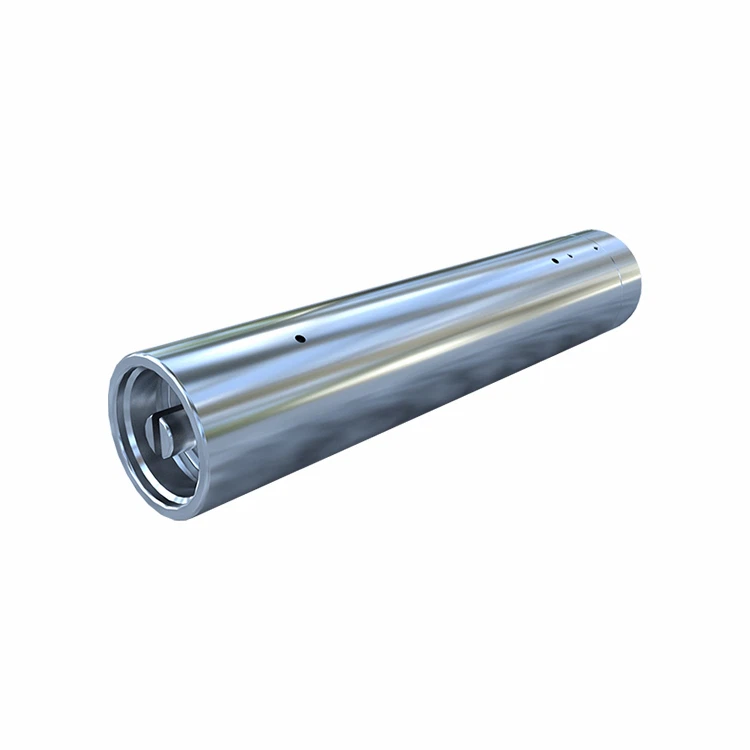
- Downhole DC Brushless Motor: These motors are designed for use in downhole applications, such as oil and gas wells. They are typically small in size and can operate in harsh environments, such as high temperatures and pressures.
- Sensorless DC Brushless Motor: These motors do not require sensors to determine the rotor's position, making them simpler and more cost-effective than motors with sensors. They are commonly used in applications where cost is a major factor, such as consumer electronics and small appliances.
- Micro DC Brushless Motor: These motors are small in size and are typically used in applications where space is limited, such as portable medical devices and miniature robotics.
Selecting the Right DC Brushless Motor
When selecting a DC brushless motor for your application, there are several factors to consider, including:
- Power Requirements: Determine the power requirements of your application, including the voltage, current, and power rating of the motor.
- Torque and Speed Requirements: Consider the torque and speed requirements of your application, including the starting torque, maximum speed, and speed range.
- Environmental Conditions: Consider the environmental conditions in which the motor will operate, such as temperature, humidity, and dust. Choose a motor that is designed to withstand these conditions.
- Control Requirements: Determine the control requirements of your application, including the type of control (e.g., open-loop or closed-loop), the speed control range, and the torque control accuracy.
- Cost: Consider the cost of the motor, including the purchase price, installation cost, and maintenance cost. Choose a motor that offers the best value for your money.
Conclusion
DC brushless motors are a versatile and efficient type of electric motor that offers many advantages over traditional DC motors. Their high efficiency, reliability, and performance make them a preferred choice in many applications across various industries. As a DC brushless motor supplier, we offer a wide range of motors to meet the needs of different applications. If you are interested in learning more about our products or need help selecting the right motor for your application, please feel free to contact us. We look forward to working with you to provide the best motor solutions for your needs.
References
- "Electric Motors and Drives: Fundamentals, Types, and Applications" by Austin Hughes and Bill Drury.
- "Brushless Permanent-Magnet Motor Design" by Ned Mohan.
- "Motor Handbook" by Arnold P. Kostko.


